BL 6-inch Gun Mk VII
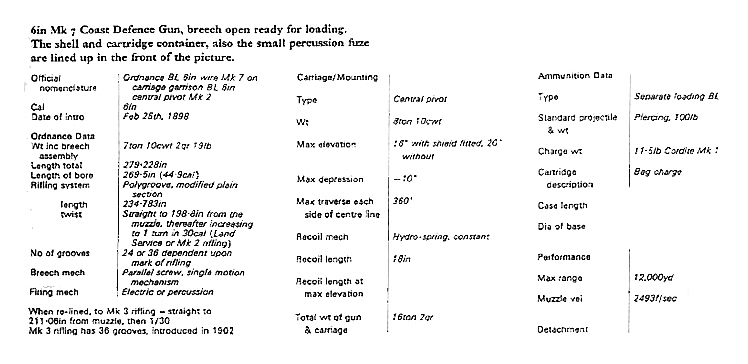
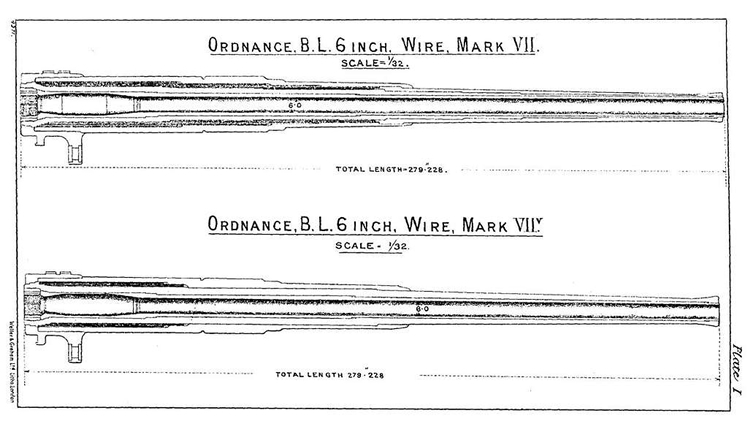
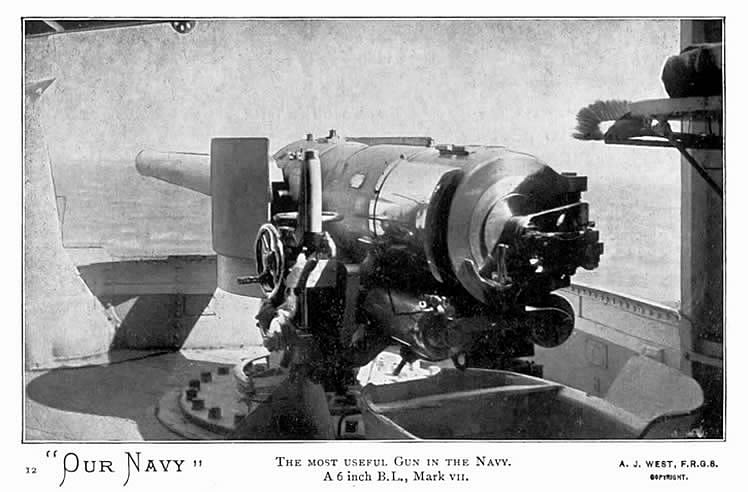
The BL 6-inch Mark VII ( and the related Mk VIII) was a British Naval gun dating from 1899. The gun was mounted on a heavy traveling carriage in 1915 for British Army service to become one of the main heavy Field Guns in the Great War. It also served as one of the main coast defence guns throughout the British Empire until the 1950's.
The gun superseded the QF 6-inch gun of the 1890's, a period during which the Royal Navy had evaluated QF technology (i.e. Loading propellant charges in brass cartridge cases) for all classes of guns up to 6-inch to increase rates of fire. BL Mk VII returned to loading charges in silk bags after it was determined that with new single-action breech mechanisms a 6-inch BL gun could be loaded, vent tube inserted and fired as quickly as a QF 6-inch gun. Cordite charges in silk bags stored for a BL gun were also considered to represent a considerable saving in weight and magazine space compared to bulky brass QF cartridge cases.
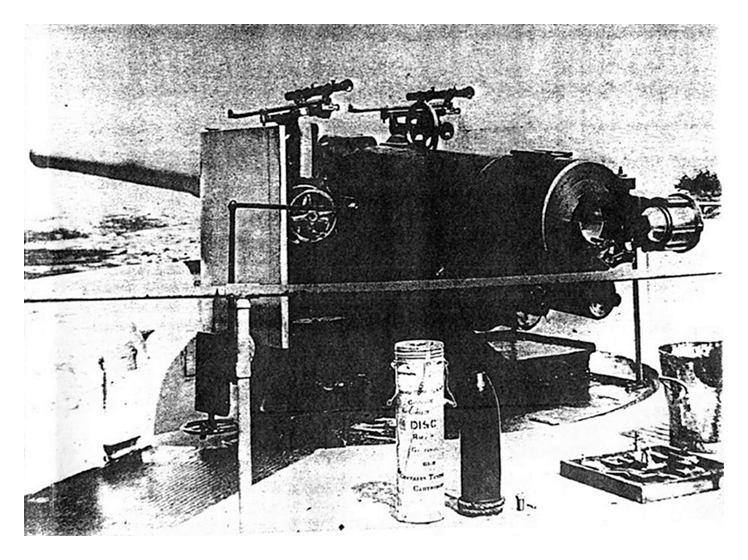
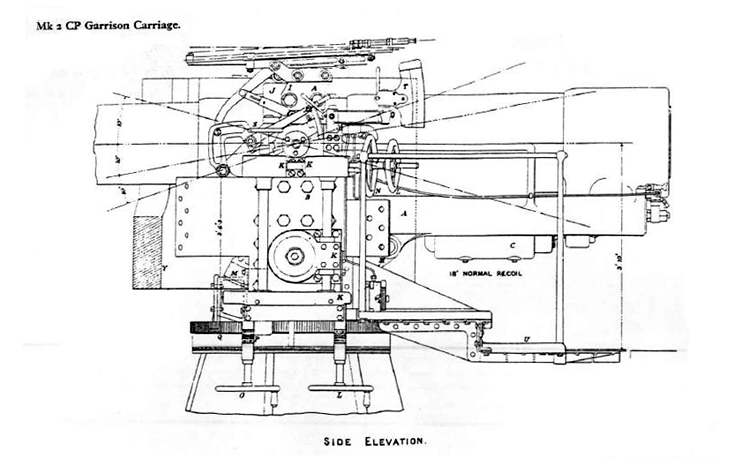
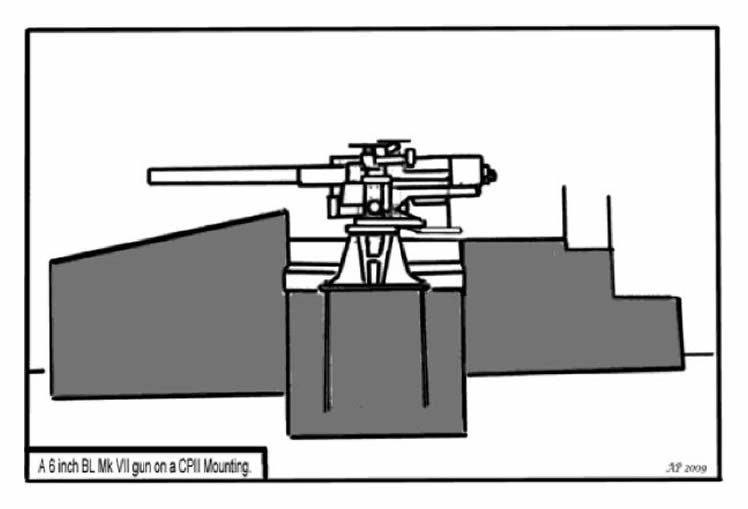
The BL 6-inch Gun Mk VII, together with the BL 9.2-inch Naval Gun Mk X, provided the main coast defence throughout the British Empire, from the early 1900's until the abolition of Coast Artillery in the 1950's. Many guns were specially built for army coast defence use, and following decommissioning of many obsolete cruisers and battleships after the Great War, their 6-inch guns were also recycled for coast defence.
103 of these guns were in service in the Great War in Coast Defences around the UK. Some of these, together with others at ports around the wider British Empire, played an important role in the Second World War and remained in service until the 1950's. [1144] [043] |