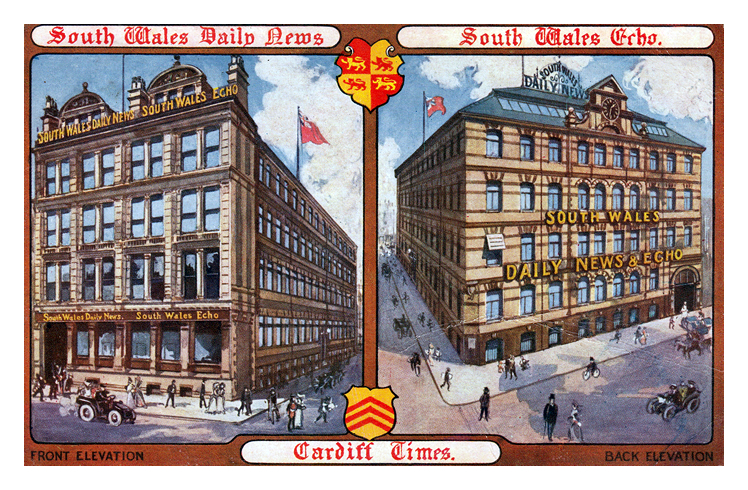
These newspapers, the South Wales Daily News, South Wales Echo and Cardiff Times, along with other newspapers in the locality provided an amazingly comprehensive record of social and commercial activity in the South Wales area and became an important reference for this Penarth Dock story website. The headquarters are shown (front and rear elevation) on this postcard which dates from c.1905 and which is held within the Penarth Dock Collection. [001] [20231021]
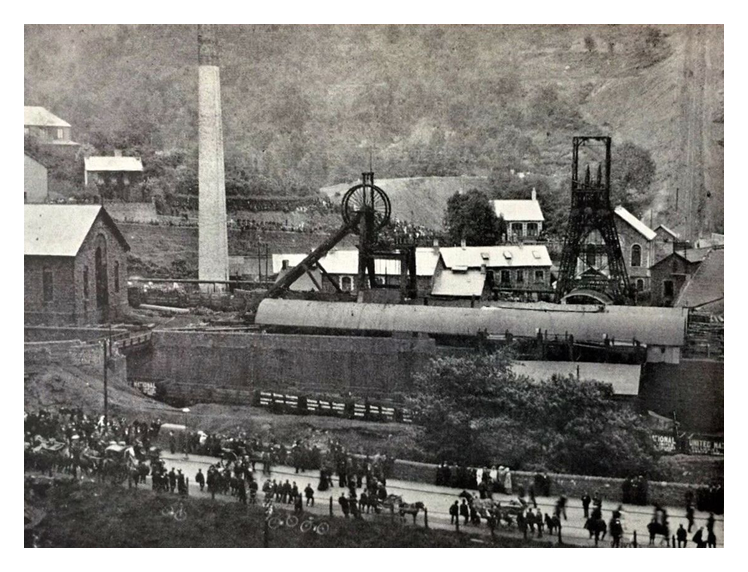
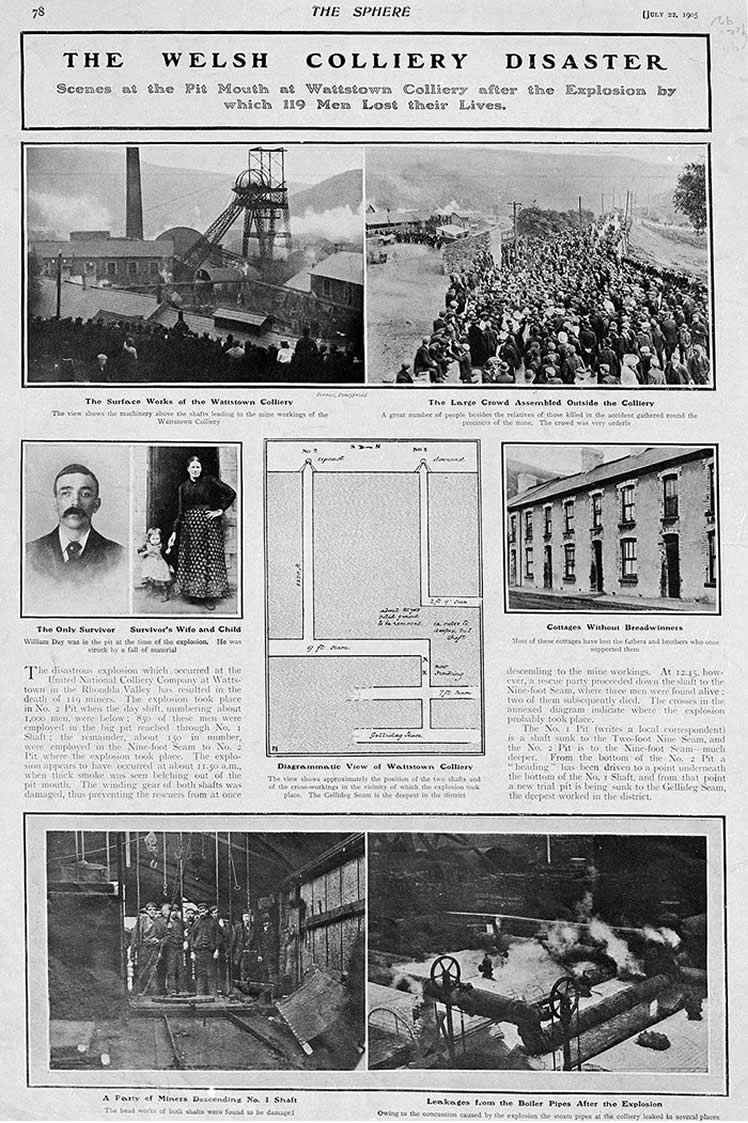
However, the text on the rear provides a vivid insight into the coal industry and another of those mass safety failures common within the industry in South Wales through the nineteenth and early twentieth century which resulted in mass death and injury. The postcard message is from W. J. Charles to the Rev. J. C. Lloyd, a Congregational minister at Ynysybwl and is posted from Pontypridd and states : 'Sorry I could not attend your meetings today as I had to report the inquest on the Tylorstown explosion returns and did not get away until late.' Mr Charles was obviously a reporter for one or more the Cardiff newspapers and the event is the inquest into the National Colliery Explosion, Wattstown, which occurred on the 11th July 1905 and in which 119 miners and 80 pit ponies were killed. There were 44 widows, 110 fatherless children under the age of 14 and a further ten dependant adults who were forced to either fend for themselves or 'live off the parish' according to the People's Collection Wales. [048]
The inquest was opened on the 12th July 1905 at the Wattstown Hotel, Wattstown, before Coroner Mr. R. J. Rhys when evidence of identification was taken. The proceedings were the adjourned until 31st July when all interested parties were represented and a full and searching inquiry lasting over three days was conducted. The jury reached the following verdict: That in our opinion Richard Morgan and the other men lost their lives by an explosion at the National Colliery on the 11th July, and that the explosion was caused by shotfiring in the barrier of coal in the cross heading from the sinking pit to the upcast. They added the following rider: That in our opinion shot firing should be absolutely prohibited except between shifts, and the shot men should be in the pit at the time. [1261]
|